Individual Therapy
Make the step
& prioritize your
mental wellbeing
One-on-one therapy can support you through difficult periods, help you understand yourself better, or find a path towards a more fulfilling life. Here you can read more about some of the main topics I work with and get a sense of how we might approach them together.
What brings people to therapy?
People come to therapy for many different reasons. There is no “minimum requirement” that justifies starting therapy. Sometimes life has become too difficult to manage alone, sometimes you feel stuck in patterns you can’t seem to change, and sometimes you simply want a space to reflect on yourself or the life you are building.
You don’t need to know exactly what is wrong or have everything figured out before starting. We can begin with what is happening in your life now and explore from there.
What do I work with in my practice?
• Anxiety disorders
• Depression
• Burn-out
• Grief & loss
• ADHD, Autism
• People-pleasing & perfectionism
• Relationship difficulties & Attachment
• Low self-esteem and self-criticism
• Childhood experiences and trauma
• Life transitions and periods of change
• Exploring identity & sexuality
Themes I often work with in depth
People Pleasing
Maybe you often put other people’s needs before your own? Find it difficult to say no? Or worry a lot about disappointing people? You might feel responsible for how others are feeling, or have a hard time knowing what you actually want yourself.
People pleasing develops for a reason. It can be a way of maintaining connection, avoiding conflict, feeling safe, or making sure you are accepted. What once helped you may not always be serving you in the same way now.
In therapy, we can explore where these patterns come from and what keeps them going. This might mean noticing the thoughts and fears underneath them, developing a more compassionate way of talking to yourself, becoming more aware of your own needs, and practising how to communicate them more openly.
The goal isn’t to stop caring about other people. It is to make more room for yourself, too.
ADHD & Neurodivergence
ADHD can affect much more than attention. It can shape how you experience motivation, emotions, relationships, routines, self esteem and everyday demands.
I work with people who are diagnosed, self identifying, or exploring whether ADHD may help explain some of their experiences. Rather than focusing only on how to manage symptoms, therapy can also be about understanding how your mind works and finding ways of living that work with you rather than constantly against you.
Sometimes this means working on practical challenges around organisation, motivation or emotional regulation. Sometimes it means making sense of years of feeling too much, too lazy, disorganised, overwhelmed, or somehow different from the people around you.
And sometimes ADHD isn’t the main focus of therapy at all. Having an understanding of neurodivergence can still help us look at what you bring to therapy through a different lens.
I am particularly interested in helping people make their inner world feel a little less overwhelming, including finding ways to relate differently to a busy or chatty mind rather than constantly trying to quiet it.
Childhood Trauma or difficult family dynamics
The way we grow up can influence much more than we realise. The roles we take on in our families, the ways our parents respond to our emotions and needs, and what we learn about relationships can all shape how we see ourselves and relate to others later in life.
For some people, these experiences involve abuse, neglect, or growing up in an unsafe or harmful environment. For others, the impact can be more subtle. This doesn’t necessarily mean that your childhood was bad or that your parents did something wrong. Parents can love us deeply and still pass on patterns, expectations, or ways of relating that may affect us differently than they intended, or that no longer work for us as adults.
Therapy can be a space to understand why you respond to certain situations in the ways you do. We can look at the beliefs and patterns you learned, what purpose they may have served at the time, and whether they still serve you now.
Depending on what feels useful, this might include inner child work, exploring your self talk, understanding relationship patterns, or reflecting on the roles and identities you took on growing up and who you are beyond them.
Understanding where a pattern comes from doesn’t mean you have to stay stuck in it. It can give you more choice about what you want to do differently.
And beyond …
These are some of the areas I commonly work with, but they are not an exhaustive list. First and foremost, I work with people, not topics. Everyone brings their own experiences, needs, wishes, and circumstances to therapy, and these are what shape our work together.
Therapy is always tailored to your individual experiences, needs and goals. If you’re not sure whether what you’re going through is something I can support you with, you’re welcome to get in touch for a free consultation.
Book Recommendations
I love books and often recommend them when they might complement the work we’re doing in therapy. I’ve put together some of my favourites and a few resources that you may find useful.
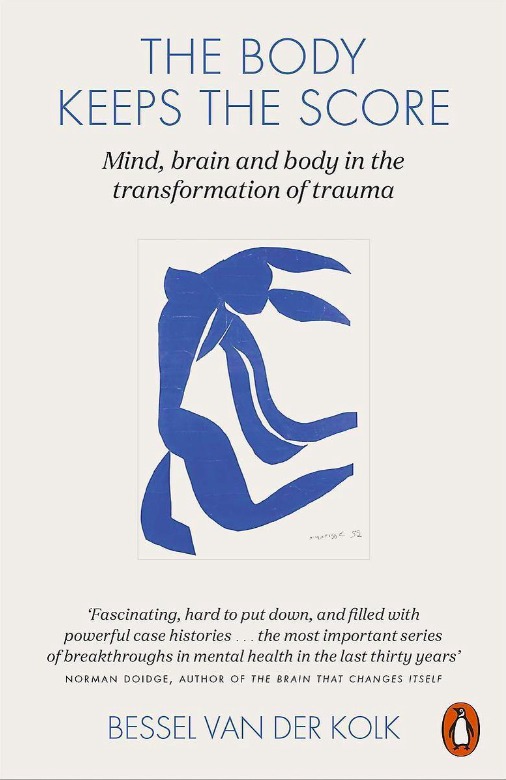
The Body Keeps the Score
Bessel van der Kolk
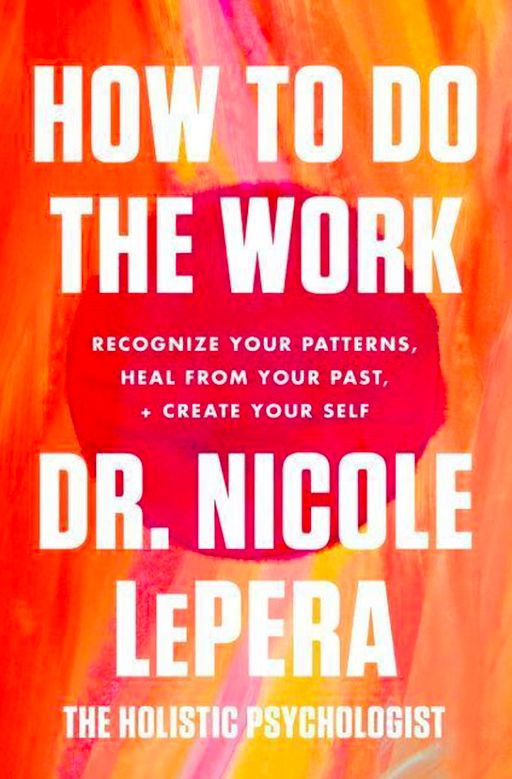
How To Do The Work
Dr Nicole LePera

Stop People Pleasing
Chase Hill
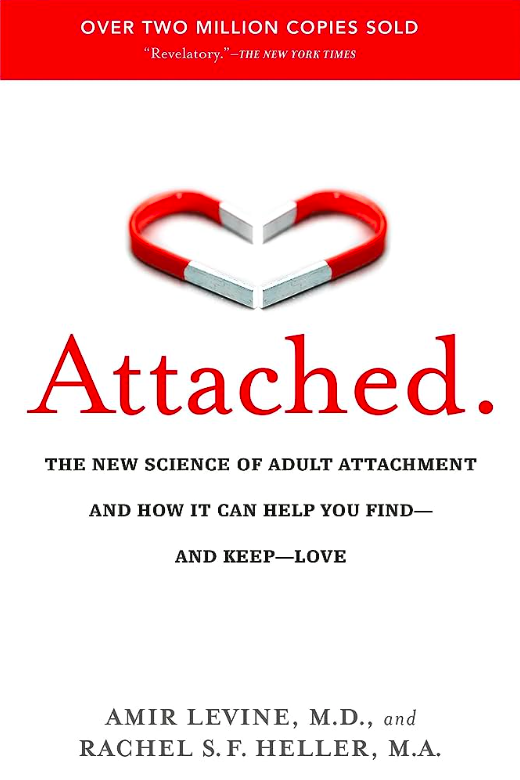
Attached
Amir Levine and Rachel S.F. Heller
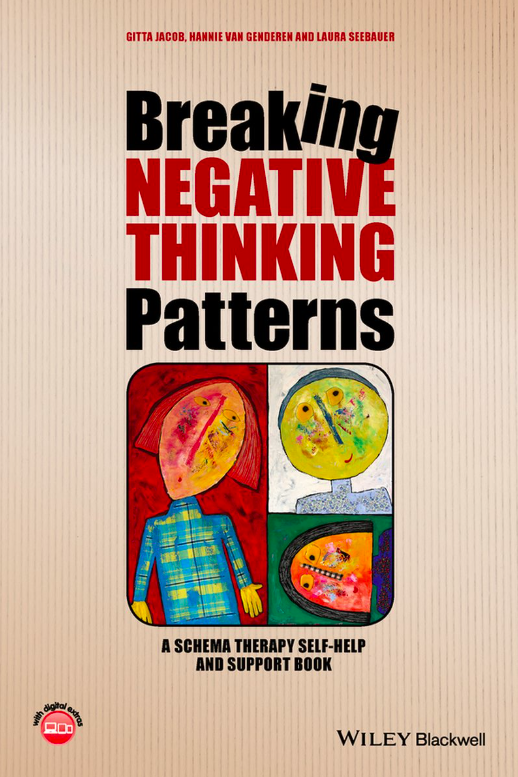
Breaking Negative Thinking Patterns
Jacob, van Genderen & Seebauer
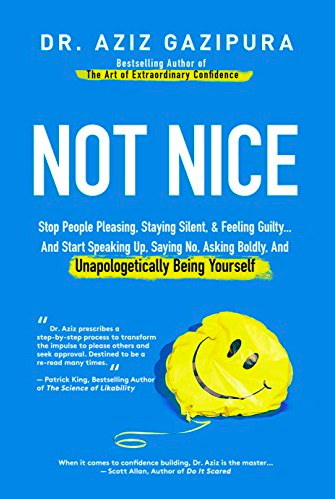
Not Nice
Dr Aziz Gazipura